
Effective Ways to Combat Hair Loss: A Comprehensive Guide
Common causes of hair loss in men
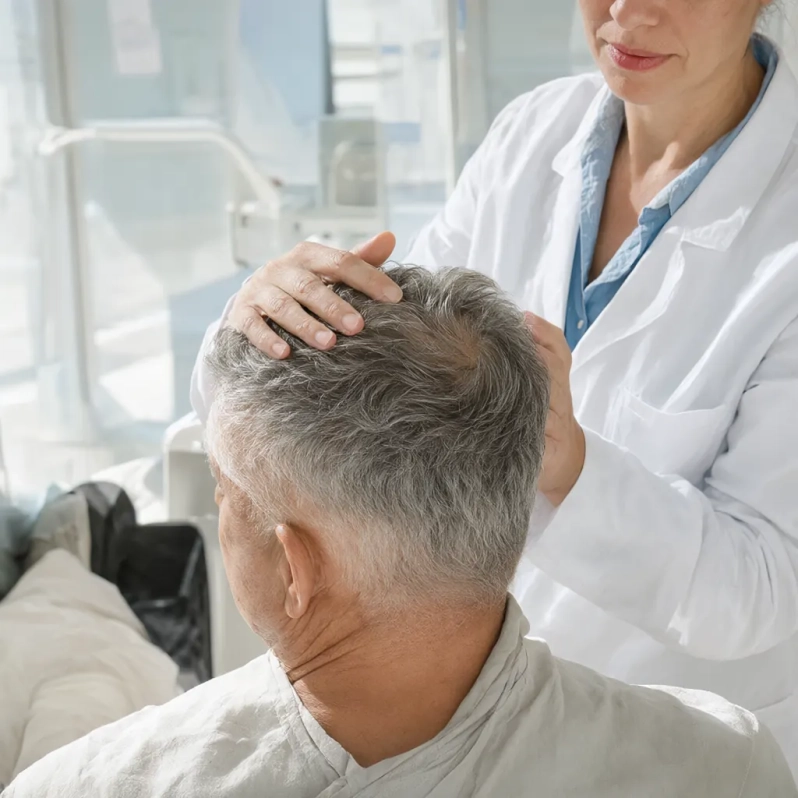
When patients come into the pharmacy asking how to combat hair loss, they often assume it is a singular issue. In reality, the biological mechanism depends entirely on why the follicle is failing. For most men, the culprit is Androgenetic Alopecia (AGA). This is a genetic predisposition where dihydrotestosterone (DHT)—a byproduct of testosterone—attacks the hair follicles, causing them to shrink through a process called miniaturization.
It isn't always genetic, though. I often see patients experiencing Telogen Effluvium. This is a sudden, rapid shedding caused by a physiological shock. If you had a high fever, a severe bout of COVID-19, or underwent major surgery about three to four months ago, you might see clumps of hair in the shower drain. This isn't permanent hair loss, but it is alarming. Other triggers include thyroid dysfunction (hypothyroidism or hyperthyroidism) and certain medications like beta-blockers or some antidepressants. If your hair loss is accompanied by fatigue or weight changes, the cause is likely systemic rather than hormonal.
Distinguishing between thinning and permanent hair loss
Understanding whether your hair is thinning or actually being lost is vital for managing expectations. Thinning is often a gradual reduction in hair density. You might notice your scalp becoming more visible under bright bathroom lights or your comb picking up more strands than usual. This is frequently the result of miniaturization, where the hairs grow back finer, shorter, and more translucent each cycle.
Permanent hair loss, or true alopecia, occurs when the hair follicle becomes completely dormant and eventually replaced by scar tissue or sebum-clogged pores. Once a follicle has undergone significant miniaturization for many years, it may no longer produce a visible hair shaft. Identifying this stage early is key. If you see smooth, shiny patches on the scalp where no hair follicles are visible, you are likely dealing with permanent loss. If the skin still looks porous, there is a chance for intervention. Monitoring the 'hairline recession'—specifically the temples moving backward in a V-shape—can help you track if you are moving from simple thinning into established AGA.
Effective medical treatments for hair regrowth
Pharmacological intervention is the cornerstone of combating hair loss, but these treatments require patience. You cannot expect results in a week; the hair growth cycle means you won't see significant changes for at least 4 to 6 months.
Minoxidil is the most widely used topical treatment. It works by a vasodilator mechanism, increasing blood flow to the follicles and extending the anagen (growth) phase. It is available in 2%, 5%, and 10% concentrations. For men, a 5% foam or liquid is generally the standard. It is crucial to apply it to a completely dry scalp to ensure absorption and avoid irritation.
Oral medications, specifically Finasteride, target the root cause for many men. Finasteride is a 5-alpha reductase inhibitor. It works by blocking the conversion of testosterone into DHT. By lowering the DHT levels in the scalp, it can stop the miniaturization process and, in many cases, promote regrowth. However, because it alters hormonal pathways, it must be taken under medical supervision. I always advise patients to be aware of potential side effects and to consult their GP before starting any systemic treatment. There are also newer topical options like topical Finasteride, which aims to provide the benefits of the drug with less systemic absorption.
How nutrition and lifestyle impact hair health
You cannot out-medicate a poor diet. Hair is a non-essential tissue in the eyes of your body; if you are nutrient-deficient, your system will prioritize your vital organs and starve the hair follicles of resources.
Iron deficiency, specifically low ferritin levels, is a massive driver of hair shedding in both men and women. Anemia is a frequent cause of unexplained thinning. Similarly, Vitamin D deficiency has been closely linked to alopecia areata and general thinning. I recommend checking your levels through a blood test before supplementing heavily.
Protein intake is equally critical. Hair is composed primarily of keratin, a structural protein. If you are on a highly restrictive low-protein diet, you may experience hair thinning. Look for adequate sources of biotin, zinc, and Vitamin B12. Furthermore, chronic stress elevates cortisol. High cortisol levels can trigger Telogen Effluvium by pushing hair follicles prematurely into the resting phase. Managing sleep hygiene and systemic inflammation through an anti-inflammatory diet can provide a supportive environment for the follicles to function optimally.
When to seek medical advice for hair loss
While many forms of hair loss are manageable with over-the-counter options, certain patterns require a clinical diagnosis. If you experience sudden, patchy hair loss (circular bald spots), this could indicate Alopecia Areata, an autoimmune condition where the body attacks the follicles. This requires a different approach than standard AGA treatment.
You should also seek immediate advice if hair loss is accompanied by:
- Severe itching or burning on the scalp.
- Scalp redness, scaling, or crusting (which could indicate a fungal infection like Tinea Capitis).
- Rapid, unexplained weight loss or irregular menstrual cycles.
- Painful hair loss.
Back to blog